
Missing a dose here and there might feel harmless, especially when life gets busy, but when it comes to chronic conditions like diabetes and high blood pressure, even short gaps in medication can have real consequences.
If you’re prescribed Metformin or Lisinopril, consistency isn’t just recommended; it’s critical. These medications are designed to work steadily in your system. When that rhythm is disrupted, your body can respond quickly and not in a good way.
Let’s break down why “gap days” matter more than most people realize and how to stay on track.
What Are Gap Days and Why Do They Matter?
Gap days refer to any period where you miss one or more doses of your prescribed medication. This could be:
- Forgetting a dose
- Running out of medication
- Delaying a refill
- Skipping intentionally due to side effects or travel
For medications like Metformin and Lisinopril, even a 24–48 hour gap can start to undo the progress your body has made.
These medications don’t cure conditions; they manage them. That means their effectiveness depends on consistent levels in your bloodstream.
How Metformin Works and What Happens When You Skip It
Metformin is commonly prescribed to manage blood sugar levels in people with type 2 diabetes. It works by:
- Reducing glucose production in the liver
- Improving insulin sensitivity
- Helping your body use sugar more effectively
When You Miss Metformin Doses
Skipping Metformin can lead to:
- Rising blood glucose levelswithin 24–48 hours
- Increased insulin resistance
- Fatigue and brain fog
- Higher risk of long-term complications if gaps are frequent
Why This Matters
Blood sugar fluctuations aren’t always immediately noticeable, but they still affect your body. Repeated spikes can contribute to:
- Nerve damage
- Kidney issues
- Vision problems
Pro Tip: Set a daily alarm or tie your dose to a routine habit (like breakfast) to make taking Metformin automatic.
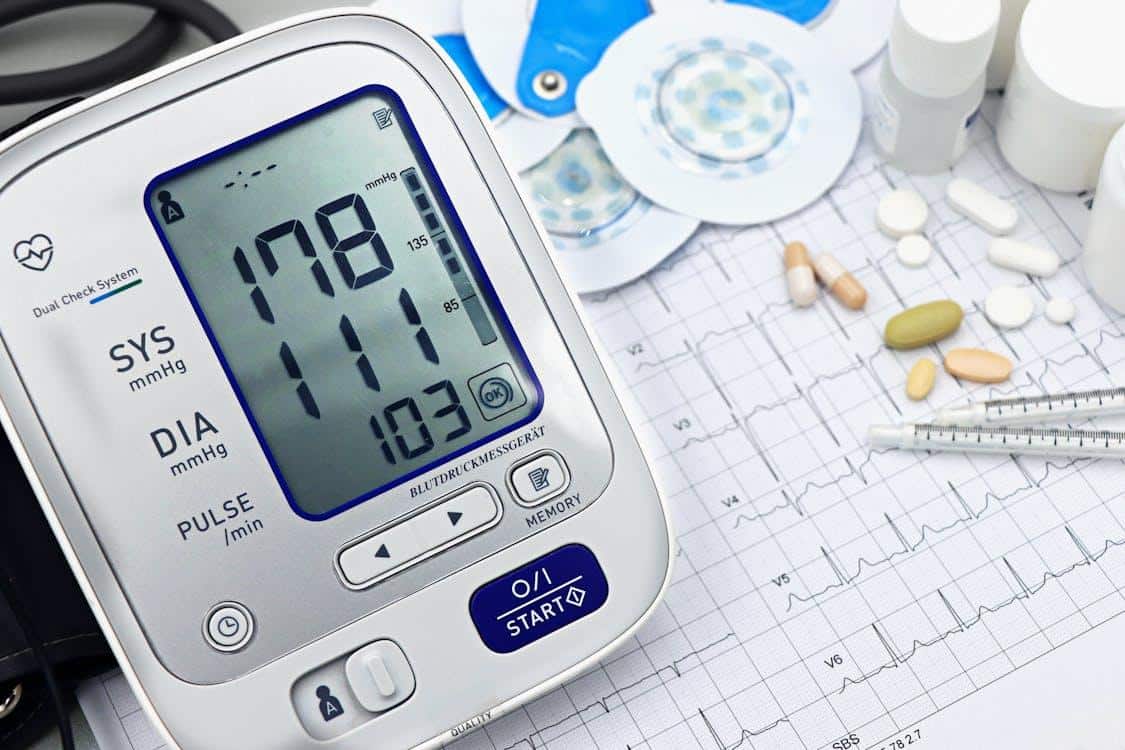
How Lisinopril Supports Blood Pressure Control
Lisinopril is an ACE inhibitor used to:
- Lower blood pressure
- Reduce strain on the heart
- Protect kidney function (especially in diabetic patients)
It works by relaxing blood vessels, allowing blood to flow more easily.
What Happens When You Skip Lisinopril
Missing doses of Lisinopril can cause:
- Blood pressure to rise within 1–2 days
- Increased risk of headaches or dizziness
- “Rebound hypertension” (a sudden spike after stopping medication)
The Bigger Risk
Uncontrolled blood pressure, even temporarily, can increase the risk of:
- Heart attack
- Stroke
- Long-term cardiovascular damage
Pro Tip: Keep a backup supply when traveling or store a few doses in a weekly pill organizer to avoid missed days.
The 48-Hour Window: Why It’s Critical
Many patients assume missing “just a day or two” isn’t a big deal. However, clinically, this is often when problems begin.
Here’s what can happen within 48 hours of missed medication:
| Medication | Within 24 Hours | Within 48 Hours |
| Metformin | Slight rise in blood sugar | Noticeable glucose spikes, fatigue |
| Lisinopril | Mild increase in blood pressure | Elevated BP, risk of rebound hypertension |
Your body doesn’t “pause” your condition when you stop medication. It continues progressing, sometimes faster, without treatment support.
Why Medication Adherence Is Harder Than It Sounds
Let’s be realistic, staying consistent isn’t always easy. Many patients face:
- Busy schedules
- Pharmacy delays
- Insurance issues
- Difficulty booking doctor appointments
- Forgetfulness
Even motivated patients can experience unintentional gaps.
That’s why systems, not just willpower, matter.
The Role of Online Prescriptions in Preventing Gap Days
One of the most common reasons for missed doses is simply running out of medication.
This is where options like an online Metformin and Lisinopril prescription can make a meaningful difference.
Instead of waiting days (or weeks) for an in-person appointment, patients can:
- Request refills from home
- Connect with licensed providers quickly
- Avoid unnecessary treatment interruptions
This isn’t about convenience alone; it’s about continuity of care.
Warning Signs You’ve Had Too Many Gap Days
If you’ve been inconsistent with your medication, your body often sends early warning signals, even before serious complications develop. These symptoms may seem mild at first, but they are your body’s way of indicating that your treatment routine needs attention.
For Blood Sugar (Metformin):
When doses of Metformin are missed, blood glucose levels can begin to rise quietly. Over time, or even within a couple of days, you may notice:
- Increased thirst:Your body tries to flush out excess glucose through fluids, making you feel unusually thirsty throughout the day.
- Frequent urination:Elevated blood sugar forces your kidneys to work harder, leading to more frequent trips to the bathroom.
- Fatigue or low energy:When glucose isn’t properly utilized, your cells don’t get the energy they need, leaving you feeling drained or sluggish.
- Blurred vision:High blood sugar can temporarily affect the shape of your eye lens, making it harder to focus clearly.
In some cases, people may also experience increased hunger, irritability, or difficulty concentrating. These signs can come on gradually, making them easy to overlook if you’re not actively monitoring your routine.
For Blood Pressure (Lisinopril):
Missing doses of Lisinopril can lead to subtle but important changes in how your cardiovascular system functions. Watch for:
- Persistent headaches:Often described as a dull or throbbing sensation, especially at the back of the head
- Chest discomfort or tightness:This should never be ignored, particularly if it feels new or unusual
- Shortness of breath:Even mild exertion may feel more difficult if blood pressure rises
- Dizziness or lightheadedness:Especially when standing up quickly, due to unstable blood pressure levels
Some individuals may also notice heart palpitations or a general sense of unease. These symptoms can vary depending on how long the medication gap has lasted and individual health factors.
Why These Symptoms Shouldn’t Be Ignored
The challenge with gap days is that symptoms don’t always appear immediately or dramatically. However, even subtle changes can indicate that your condition is becoming less controlled.
Left unaddressed, repeated interruptions in Metformin or Lisinopril use can increase the risk of:
- Sustained high blood sugar or blood pressure
- Greater strain on the heart, kidneys, and blood vessels
- Long-term complications that are harder to reverse
What You Should Do Next
If you recognize any of these warning signs:
- Resume your medication exactly as prescribed (unless advised otherwise by your provider)
- Monitor your symptoms closely over the next few days
- Reach out to a healthcare professional if symptoms persist or worsen
Pro Tip: If missed refills are the root cause, switching to an online Metformin and lisinopril prescription can help you avoid these disruptions altogether by ensuring timely access to your medication.

Building a Consistent Medication Routine
Consistency doesn’t happen by accident; it’s built intentionally. Here are simple ways to reduce gap days:
1. Automate Your Routine
- Use phone reminders
- Set calendar alerts for refills
2. Refill Early, Not Late
- Don’t wait until you’re out
- Request refills when you have 5–7 days left
3. Use Pill Organizers
- Weekly organizers help you visually track missed doses
4. Keep Medication Accessible
- Store doses where you’ll see them (but safely)
5. Use Online Prescription Services
- Avoid delays by using online Metformin and lisinopril refillprescription options
Consistency Is Preventive Care
Think of medications like Metformin and Lisinopril as part of your daily maintenance, not a temporary fix.
Skipping doses doesn’t just pause your progress; it can:
- Reverse improvements
- Increase health risks
- Lead to avoidable complications
The goal isn’t perfection; it’s minimizing disruption.
Small Gaps, Big Impact
It’s easy to underestimate the effect of missing “just a couple of days,” but over time, these gaps can add up to:
- Poorly controlled diabetes
- Unstable blood pressure
- Increased healthcare visits
- Greater long-term health risks
Consistency creates stability, and stability protects your health.

Stay Ahead of Gap Days with Smarter Refill Options
Never Let a Missed Refill Disrupt Your Health Again
Managing chronic conditions shouldn’t depend on appointment availability or pharmacy delays. That’s where My Med Refills steps in.
With access to online Metformin and lisinopril refill services, patients can stay consistent without the stress of last-minute refills.
We make it easier to:
- Request refills from home
- Connect with licensed providers
- Maintain uninterrupted access to essential medications
When it comes to medications like Metformin and Lisinopril, consistency is everything, and we help make that consistency achievable.
If you’ve experienced gap days before, you’re not alone, but with the right systems in place, they’re completely preventable. Get a prescription refill online now.
Disclaimer: The information provided on this platform is for general informational and educational purposes only and should not be considered medical advice. Any prescriptions, recommendations, or health-related content are intended for informational use and may not apply to individual medical conditions. This content does not replace consultation with a licensed healthcare professional. Patients/readers are strongly advised to consult their physician or qualified medical provider before starting, stopping, or changing any medication. The provider assumes no responsibility for misuse, misunderstanding, or outcomes resulting from reliance on this information.